At A Glance
A modern startup marketing strategy should not rely on digital channels alone. In 2026, print marketing still plays an important role in helping startups build trust, create memorable brand experiences, support local outreach, and strengthen event and direct mail campaigns. The key is using high-quality, professionally designed print assets that work alongside digital marketing efforts.
Key Takeaways:
- Print marketing helps startups build credibility and brand recognition.
- Modern print campaigns now work together with QR codes, AI personalization, and digital tracking.
- Professionally produced print pieces often outperform low-quality in-house printing.
- Startups should prioritize practical and high-impact materials first.
- Print marketing is most effective when integrated into a broader omnichannel strategy.
Print marketing remains an effective tool for startups looking to build brand awareness, create stronger customer connections, and stand out in an increasingly crowded digital space. While online advertising, social media, and AI-driven campaigns dominate modern marketing strategies, physical print materials still offer something digital content often cannot: a tangible and memorable brand experience. Business cards, brochures, direct mail campaigns, product packaging, and event signage continue to help startups appear more professional and trustworthy to potential customers and investors.
The difference today is that print marketing no longer works on its own. Successful startups now combine printed materials with digital tools like QR codes, personalized landing pages, AI-powered customer targeting, and trackable campaigns. Instead of replacing digital marketing, print supports it by helping businesses create a more consistent and recognizable brand presence across both online and offline channels.
How Print Marketing Supports Startup Growth
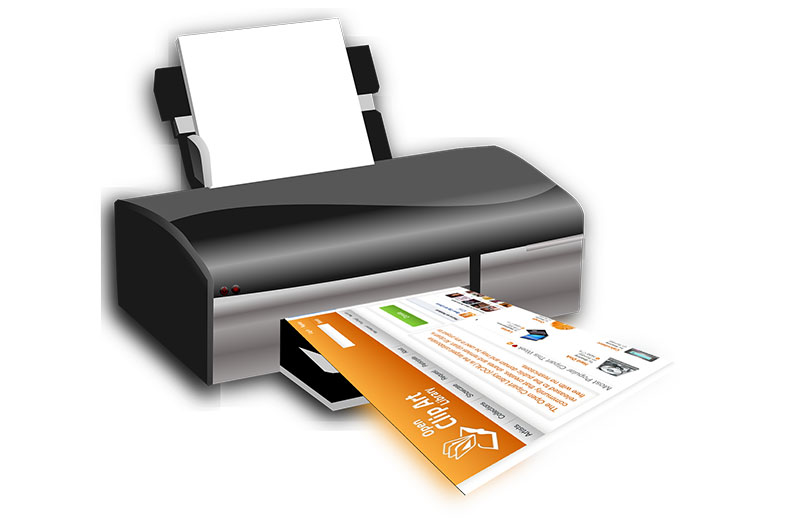
Print marketing continues to help startups strengthen brand visibility, improve customer trust, and support both online and offline campaigns. Professionally designed brochures, packaging, signage, direct mail pieces, and other marketing materials can help new businesses present a more polished and credible image while creating stronger customer engagement.
Print marketing can:
Build Trust and Credibility
Printed materials often make a startup appear more established and professional, especially during networking events, client meetings, trade shows, and sales presentations. A well-designed business card, brochure, product catalog, or presentation folder can leave a stronger impression than a quick digital interaction alone. For many customers and investors, physical branding materials signal that a business is serious about its image and customer experience.
Create More Memorable Brand Experiences
Digital ads are easy to scroll past, but physical print pieces tend to hold attention longer because people can interact with them directly. Packaging, postcards, flyers, branded inserts, and promotional materials create a tactile experience that helps customers remember a brand more clearly. When combined with strong design and consistent branding, print marketing can make startups more recognizable and memorable in competitive industries.
Support Local and Event Marketing
Print marketing remains highly effective for local outreach and in-person events where startups need to engage directly with potential customers. Posters, banners, brochures, menus, direct mail pieces, and event signage can help businesses attract attention and communicate information quickly in physical spaces. Startups that attend conventions, pop-up events, community markets, or networking conferences often benefit from having professionally printed materials ready to distribute.
Improve Brand Recall Compared to Digital Ads Alone
Many consumers are exposed to thousands of online ads every day, making it difficult for brands to stand out through digital channels alone. Print marketing can reinforce brand recognition by giving customers something physical to keep, revisit, or display. Studies continue to show that people often retain information from printed materials better than from digital advertisements, which can help startups improve long-term brand recall and customer engagement.
How Print Marketing Has Evolved
Print marketing today looks very different from traditional print campaigns used years ago. Modern startups now use print as part of a larger omnichannel strategy, combining physical materials with digital tools, customer data, and interactive technology to create more measurable and engaging campaigns.
QR Codes and Interactive Print Campaigns
Printed materials are no longer limited to static information. Many startups now add QR codes to brochures, packaging, posters, business cards, and direct mail pieces to connect customers directly to websites, videos, landing pages, product demos, or social media profiles. This makes print campaigns more interactive while also helping businesses track customer engagement and campaign performance.
Personalized Direct Mail and Targeted Promotions
Modern printing technology allows businesses to personalize printed campaigns for different audiences. Startups can now send customized postcards, coupons, catalogs, or promotional materials based on customer interests, purchase history, or location. Personalized print marketing often feels more relevant to customers, which can improve response rates and strengthen customer relationships.
Sustainable and Eco-Friendly Printing
Sustainability has become a growing priority for both businesses and consumers. Many printing companies now offer recycled paper, soy-based inks, biodegradable packaging, and environmentally responsible production methods. Startups that choose eco-friendly printing solutions can strengthen their brand image while appealing to environmentally conscious customers.
AI-Assisted Design and Modern Printing Technology
AI-powered design tools and advanced digital printing systems have made professional print marketing more accessible for startups with limited budgets. Businesses can now create customized designs faster, test multiple layouts, and produce smaller print runs without the high costs traditionally associated with large-scale printing. This gives startups more flexibility to update campaigns, experiment with branding, and respond quickly to market trends.
In-House Printing vs Professional Printing Services
Many startups initially consider printing their own materials to save money and gain more flexibility. While in-house printing can work for small internal needs, professionally printed materials often provide better quality, consistency, and long-term value for customer-facing marketing campaigns.
The Real Cost of In-House Printing
Printing materials in-house may seem cost-effective at first, especially for small print runs or internal documents. However, expenses related to ink, toner, specialty paper, equipment maintenance, software, and employee time can add up quickly. Many startups also underestimate the hidden cost of reprints caused by inconsistent colors, alignment issues, or lower-quality output.
Print Quality and Brand Perception
The quality of printed materials directly affects how customers perceive a startup’s brand. Professionally printed brochures, business cards, packaging, and signage typically offer sharper images, better color consistency, stronger materials, and more polished finishes than standard office printers. High-quality print materials can help startups appear more credible and professional when competing against larger businesses.
Scalability and Faster Turnaround Times
Professional printing companies are often better equipped to handle larger campaigns, rush orders, and specialized print projects without sacrificing quality. Startups can scale their marketing efforts more efficiently by outsourcing printing instead of managing production internally. This is especially helpful during product launches, trade shows, seasonal promotions, or rapid business growth.
When Professional Printing Makes More Sense
Professional printing services are usually the better option when startups need customer-facing materials that represent their brand publicly. Items such as product packaging, direct mail campaigns, event signage, catalogs, and presentation folders often require higher-quality production standards than most office printers can provide. Outsourcing these projects can also free up valuable time so startup teams can focus more on operations, sales, and growth.
Essential Print Marketing Materials for Startups
Not every startup needs a massive print marketing budget. Focusing on a few high-impact materials can help businesses build credibility, improve brand recognition, and support both digital and in-person marketing efforts.
- Business Cards: Useful for networking events, meetings, and building professional connections.
- Brochures and Sales Sheets: Help explain products, services, pricing, and company information in a simple format.
- Product Packaging: Strong packaging design can improve brand recognition and customer experience.
- Event Booth Displays and Signage: Important for trade shows, pop-up events, and local marketing campaigns.
- Direct Mail Campaigns: Personalized mailers and postcards can help startups reach targeted audiences more effectively.
- Branded Stationery and Thank-You Cards: Small branded touches can strengthen customer relationships and improve brand consistency.
Tips for Making Print Marketing More Effective
Print marketing works best when it supports a startup’s overall branding and customer experience strategy. A few simple adjustments can make printed materials more engaging, professional, and easier to connect with digital campaigns.
- Keep branding consistent across print and digital platforms.
- Use QR codes to connect printed materials to websites, videos, or landing pages.
- Focus on readability with clean layouts, simple messaging, and high-quality visuals.
- Track campaign performance using custom URLs, promo codes, or QR analytics.
- Invest in professional design and printing quality for customer-facing materials.
- Avoid printing excessive quantities early on so materials can be updated as the business evolves.
Common Print Marketing Mistakes Startups Should Avoid
One of the most common mistakes startups make is printing large quantities of materials too early. Branding, pricing, services, and messaging often change during the early stages of growth, which can quickly make printed materials outdated and waste valuable marketing budgets.
Another issue is using low-quality designs, weak visuals, or poor printing materials to reduce costs. Customer-facing materials strongly influence how people perceive a brand, so blurry images, inconsistent colors, or cluttered layouts can make a startup appear less professional. Keeping designs clean, readable, and visually consistent across both print and digital platforms usually creates a stronger and more trustworthy brand presence.
Many startups also fail to connect their print marketing with their digital campaigns. Printed materials are often more effective when they guide customers toward websites, landing pages, social media accounts, or promotional offers through QR codes, custom URLs, or branded calls to action.
Working with experienced printing and design professionals can help startups avoid many of these issues from the beginning. Professional guidance can improve print quality, maintain branding consistency, reduce costly printing errors, and ensure marketing materials align better with the company’s overall marketing strategy.
Final Thoughts
Print marketing continues to play an important role in helping startups build credibility, strengthen brand recognition, and create more memorable customer experiences. While digital marketing remains essential, physical marketing materials still offer a level of visibility and engagement that online campaigns alone often cannot replicate.
The most effective startup marketing strategies today combine both print and digital efforts into a more connected customer experience. Invest in high-quality printed materials, maintain consistent branding, and work with experienced professionals when needed so you can create marketing campaigns that feel more polished, trustworthy, and impactful across every customer touchpoint.