Many people work alone every day. They fix power lines, visit clients, guard empty buildings, or drive long distances. While lone working can be efficient, it also brings real danger. Without a team nearby, small problems can turn serious very fast.
That’s why employers must understand high-risk environments and invest in the best lone worker app to protect their staff.
Below are five high-risk lone working environments and the safety measures every employer should take.
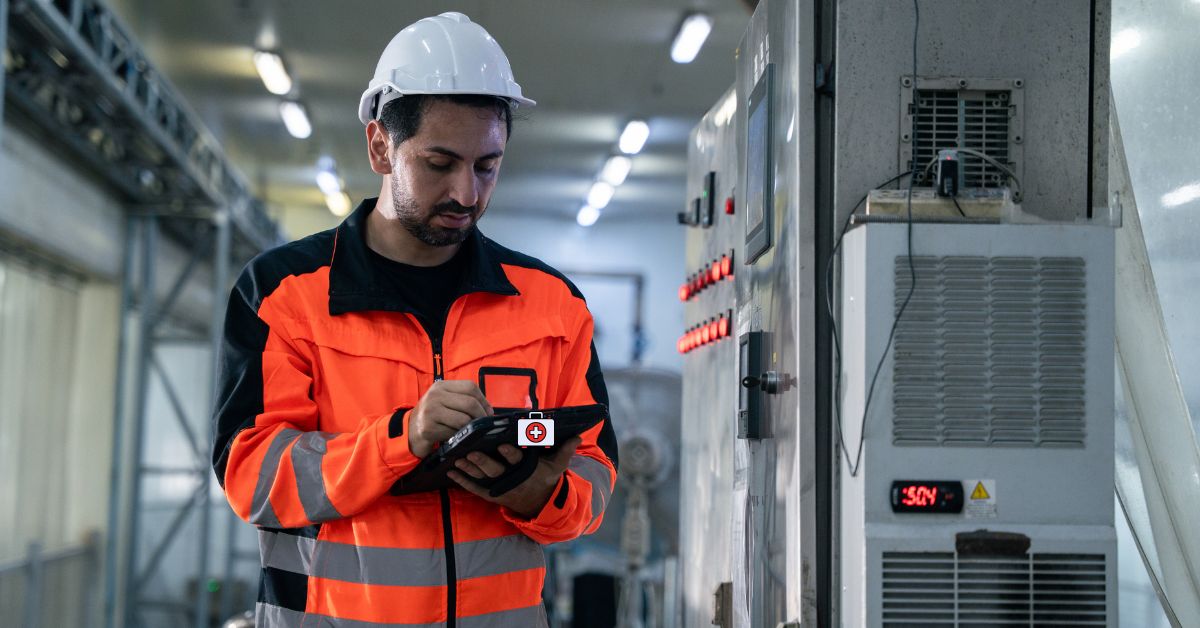
1. Construction Sites
Construction sites are busy, loud, and full of hazards. Heavy machinery, falling tools, unstable surfaces, and electrical risks are common. If a worker is alone and gets injured, help may not arrive quickly.
Safety Measures:
- Conduct regular risk assessments
- Provide proper training and protective gear
- Use check-in systems to track workers
- Equip workers with the best lone worker app featuring automatic fall detection
A modern lone worker app can send instant alerts if someone falls or stops moving. GPS tracking also helps emergency services reach the exact location quickly.
2. Healthcare & Home Visits
Nurses, social workers, and carers often visit patients alone. While most visits are safe, some situations can become unpredictable. Workers may face aggressive behavior or unsafe home conditions.
Safety Measures:
- Pre-visit risk assessments
- Clear communication protocols
- Panic alarm features
- Real-time GPS monitoring
The best lone worker app includes a discreet SOS button. If a healthcare worker feels unsafe, they can trigger an alert without drawing attention. Audio recording features may also activate automatically during emergencies.
3. Security & Night Shifts
Security guards, warehouse staff, and night shift workers often operate in quiet, isolated areas. Working at night increases risks because fewer people are around to help.
Safety Measures:
- Scheduled welfare check-ins
- CCTV monitoring
- Strong lighting systems
- Lone worker apps with timed check-ins
Timed check-ins allow workers to confirm they are safe at regular intervals. If they fail to respond, the app automatically alerts a manager or response team.
4. Utility & Field Workers
Engineers, maintenance crews, and utility workers often travel to remote areas. They may work near water, electricity, gas lines, or at heights. Bad weather can add more risk.
Safety Measures:
- Clear job hazard analysis
- Reliable communication devices
- Location tracking
- Apps with no-motion detection
The best lone worker app can detect if a worker has been still for too long. If someone collapses or becomes unconscious, the system triggers an emergency response immediately.
5. Delivery & Transport Drivers
Drivers spend long hours on the road. They face traffic accidents, vehicle breakdowns, and sometimes theft. Being alone on highways or rural roads increases danger.
Safety Measures:
- Driver safety training
- Emergency roadside plans
- GPS tracking systems
- Mobile safety apps with one-touch emergency alerts
A lone worker app ensures drivers can quickly request help. Managers can also monitor routes in real time, improving both safety and efficiency.
Why Employers Need the Best Lone Worker App
Policies and training are important, but technology adds an extra layer of protection. The best lone worker app provides:
- Real-time GPS tracking
- Fall and no-motion detection
- SOS panic alerts
- Automated check-ins
- Instant emergency notifications
It also creates digital records, helping businesses stay compliant with health and safety laws.
Most importantly, it gives workers peace of mind. When employees know help is one tap away, they feel more confident and secure.
Final Thoughts
Lone working will always carry risk, especially in high-hazard environments like construction sites, healthcare visits, night security, fieldwork, and transport roles.
Employers have a duty to protect their staff. By combining strong safety policies with the best lone worker app, companies can reduce risks, respond faster to emergencies, and create a safer working culture for everyone.
