
Airbnb investing means buying or converting a property to generate income through short-term, nightly bookings instead of a traditional long-term lease. It matters more than ever in 2026 because supply has caught up with demand in most US markets, and regulation now determines whether a listing can legally operate at all before profitability even enters the conversation. It suits investors who can absorb higher upfront costs and ongoing management work in exchange for higher revenue ceilings than a standard rental. The main challenges it solves are portfolio diversification and income potential in markets where long-term rents have plateaued, provided the investor accounts for city-by-city legal exposure first. Key Takeaways:
At a Glance
Short-term rental investing rewarded almost anyone willing to buy a property and list it a few years ago. That window has closed in the markets that made Airbnb famous. Occupancy has softened nationally as supply outpaced demand, cities have started sharing host data directly with platforms to catch unregistered listings, and a wave of smaller municipalities is now writing ordinances modeled on what Los Angeles and New York already enforce.
None of this means Airbnb investing has stopped working. It means the easy version of it, buy a condo near a beach and let bookings roll in, no longer applies in most competitive markets. What follows covers the parts of this decision that actually separate a profitable purchase from a property that fights local code for the next five years.
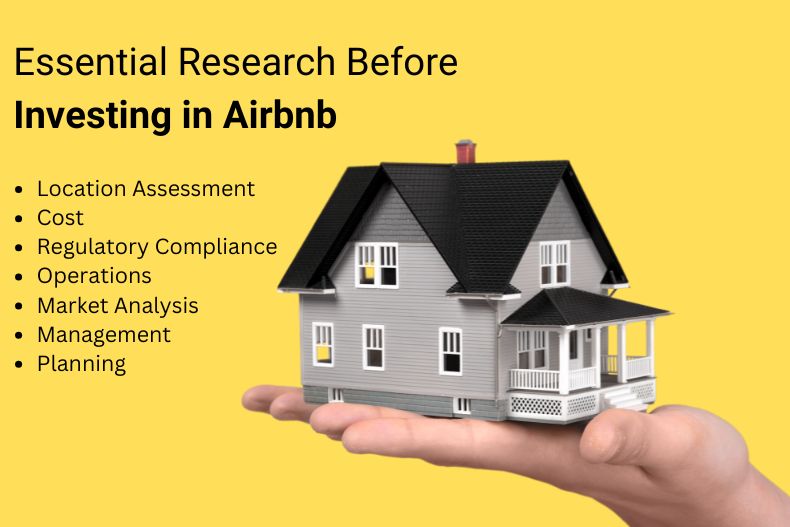
Location Still Decides Whether an Airbnb Investment Works
Location has always driven Airbnb returns, and the calculation behind it has changed. Zoning rules, registration requirements, and night caps now set the boundaries as much as tourist volume does, and they vary so much by neighborhood that two properties three miles apart can face completely different rules.
Suburban listings are currently outpacing urban growth in more than three-quarters of large metro areas, according to short-term rental analytics firm iGMS. Investors chasing downtown condos in saturated cities are increasingly outbid on returns by buyers targeting suburban single-family homes near the same metro, where supply hasn’t caught up yet.
Where Airbnb Demand Is Holding Up in 2026
Markets combining year-round tourism drivers with regulatory stability are performing best right now. Phoenix benefits from spring training and snowbird season. Nashville and Orlando pull steady visitor traffic from entertainment and conventions. Coastal Florida, Hawaii, and national park-adjacent towns remain strong because the demand driving them isn’t tied to a single event or season.
Before buying in any of these markets, pull at least twelve months of occupancy and rate data at the neighborhood level, not the city level. A city-wide average can mask a specific block that’s oversupplied or under-permitted.
How Much an Airbnb Investment Actually Costs in 2026
Furnishing, cleaning turnover, utilities, and maintenance add up fast, and 2026 brings a few line items that weren’t standard even two years ago.
Upfront Costs
Down payment and closing costs still make up the bulk of initial spending, and registration fees now vary wildly by city. Austin charges over $600 annually for a short-term rental license. Berkeley charges $270 plus ongoing enforcement fees. Palm Springs charges around $100 with no primary-residency requirement, making it one of the more investor-friendly California markets.
Ongoing Costs
Mortgage, insurance, platform fees, cleaning, and transient occupancy tax collection are largely automated through the platforms in most jurisdictions. Hosts remain responsible for confirming those taxes are actually remitted correctly. Liability insurance requirements have also tightened in several cities, with some municipalities now requiring coverage in the six-figure range before a permit is issued.
Reading Return on Investment Correctly
Occupancy alone doesn’t tell the full story anymore. A listing running 50% occupancy at $400 a night outperforms one running 80%
at $150. Revenue per available night, which multiplies rate by occupancy, gives a far more accurate read on performance than occupancy in isolation. Solid bookkeeping practices for real estate investors make this kind of month-over-month comparison possible and turn a rough guess about profitability into an accurate read on it.
- Initial Expenses: Account for down payments, closing costs, and expenses for renovations and furnishings.
- Ongoing Costs: Include mortgage payments, utilities, maintenance, cleaning services, insurance, and platform fees.
- Return on Investment (ROI): Aim for a capitalization rate (cap rate) of 8% or higher and calculate cash-on-cash returns to evaluate profitability.
Short-Term Rental Regulations Have Gotten Harder to Ignore
Regulatory risk sits at the center of an Airbnb investment decision in 2026, and in several major markets it functions as the deciding factor on whether a purchase pencils out at all.
Cities Where Whole-Home Rentals Are Effectively Closed
New York City’s Local Law 18 requires the host to be present during every stay and caps occupancy at two guests, which has removed investment-property operators from the market almost entirely since enforcement began. Los Angeles restricts most unhosted rentals to a 120-night annual cap tied to primary residency. San Francisco caps unhosted rentals at 90 nights a year and requires the host to be a permanent resident of the unit.
California’s Data-Sharing Law Changes Enforcement
SB 346, effective at the start of 2026, requires Airbnb and VRBO to share host name, address, booking volume, and registration status directly with California cities and counties. Los Angeles and San Francisco have already used this data to identify and remove non-compliant listings at scale. For a host already following the rules, this changes nothing. For a host counting on inconsistent enforcement to run an unregistered investment property, it removes that option.
Smaller Cities Are Catching Up Fast
The regulatory wave has moved past the big-name markets. Madison, Wisconsin has proposed a permit cap. Bakersfield, California passed its first short-term rental ordinance alongside a 12% lodging tax. Berea, Ohio moved fastest of all, banning rentals within 1,000 feet of parks, schools, and churches ahead of an expected demand spike from a nearby stadium project. The pattern is consistent: registration requirements, night caps, and platform data-sharing are spreading to markets that never used to regulate short-term rentals at all.
Checking current rules before buying now means more than a quick search. It means reviewing the city or county ordinance directly, confirming whether the state preempts local restrictions, and checking HOA or condo association bylaws separately, since those can ban short-term rentals even where the city allows them.
Guest Expectations Still Make or Break the Listing
None of the regulatory or financial planning matters if the guest experience falls apart. Response time, cleanliness consistency, and how complaints get handled directly affect review scores, and review scores directly affect future booking volume. A property with strong fundamentals in a great location can still underperform if guest communication lags or maintenance issues go unresolved.
Two out of three Airbnb bookings now come through Instant Book, which rewards listings that keep availability calendars accurate and respond quickly enough to maintain a high response rate. Slow replies and unresolved five-star expectations cost more in lost future bookings than most hosts realize.
How Seasonal Trends Impact Demand
The short-term rental market is not static. Demand fluctuates based on the time of year, local events, and weather conditions. For example, beach properties may see high summer demand, while ski lodges thrive in winter. Understanding seasonal demand for short-term rentals is essential for effective financial planning.
To maximize occupancy rates, you need to be prepared for times when bookings dip and adjust pricing strategies. Using dynamic pricing tools or offering discounts during off-peak seasons can help maintain consistent revenue throughout the year.
Self-Management vs. Professional Property Management
Running a short-term rental alone means handling guest messages, cleaning schedules, maintenance calls, and compliance paperwork personally, all while staying current on whichever city ordinance applies to that specific address.
Many investors, especially those managing more than one property or operating in a heavily regulated market, find that hiring a professional property management company removes most of that operational burden. A manager handles registration renewals, night-cap tracking, and tax remittance in addition to day-to-day guest logistics, which matters more in cities where SB 346-style data sharing has made non-compliance easier to catch. Outsourcing property management typically costs 20% to 30% of revenue. It often pays for itself through fewer vacancies, faster response times, and reduced compliance risk.
The right call usually comes down to portfolio size and how much regulatory complexity the market carries. A single property in a light-touch market might not need a manager. Three properties spread across cities with different registration rules almost always benefit from one.
Listing Optimization and Pricing in a Saturated Market
High-quality photos, complete amenity lists, and accurate descriptions still separate top-performing listings from the rest, and the gap between well-run and poorly run properties has widened. Listings with professional management and strong presentation are holding occupancy above 70% in several markets, while comparable unmanaged properties struggle to break 50%.
Dynamic pricing tools that adjust rates based on local demand, seasonality, and comparable listings have moved from optional to close to essential in competitive markets. A fixed nightly rate leaves money on the table during peak weeks and kills occupancy during slow ones. Pairing pricing software with a clean CRM setup, similar to the tools real estate teams use to track leads and deals, helps investors managing several units keep pricing and maintenance schedules from falling through the cracks.
How to Set Up Your Airbnb Property for Maximum Success
Enhance your property’s appeal:
- High-Quality Furnishings: Invest in durable and attractive furniture and decor.
- Essential Amenities: Provide necessities like Wi-Fi, kitchen supplies, and toiletries.
- Professional Presentation: Use high-quality photos and compelling descriptions in your listings.
Pros and Cons Investing in Airbnb
| Pros | Cons |
|---|---|
| Higher Income Potential: Short-term rentals can generate more revenue than traditional long-term leases, especially in high-demand areas. Flexibility: You can adjust pricing and availability to maximize returns. | Regulatory Changes: Stay informed about evolving laws that may affect your rental operations. Seasonal Demand Fluctuations: Implement strategies to maintain bookings during off-peak periods, such as offering discounts for longer stays or targeting niche markets like remote workers. |
FAQs
How does Airbnb compare to traditional long-term rentals?
Airbnb investing offers higher revenue potential but also comes with higher risks and management responsibilities than long-term rentals.
What mistakes should new Airbnb hosts avoid?
Common pitfalls include underestimating costs, neglecting local regulations, failing to optimize listings, and not managing guest expectations.
Are there any tax advantages to owning an Airbnb property?
You may qualify for tax deductions related to property expenses, repairs, and maintenance. Consult with a tax professional to ensure compliance.
Can I successfully manage an Airbnb property remotely?
Yes, with the help of remote property management tools and professional property managers, it is possible to manage an Airbnb investment from afar.
What’s the best way to deal with negative reviews or challenging guests?
Focus on resolving issues promptly, maintaining professionalism, and ensuring a positive guest experience. Learn from negative reviews to improve future stays.
Final Thoughts
Airbnb investing offers exciting opportunities, but it comes with its share of challenges. If you want to explore Airbnb investing and unlock the potential of short-term rentals, it’s best to come prepared. By understanding these seven key aspects—location, costs, regulations, guest management, seasonal trends, property management, and marketing—you can set yourself up for success. Starting small and learning as you go is often the best way to steer through this rewarding venture.