
Video has become one of the most useful communication tools in education. A short recording can capture a lesson, explain a safeguarding procedure, document a school event, or help families understand what is happening in the classroom. For colleges and universities, video also supports lectures, research, student services, and online learning.
Yet producing a video is only half the challenge. The more difficult question is often: who appears in it, and who is allowed to see it?
A single recording may include students, staff, visitors, name badges, personal information on a whiteboard, or conversations that were never intended for public distribution. As institutions share more media across websites, learning platforms, social channels, and parent portals, traditional review processes are beginning to show their limits.
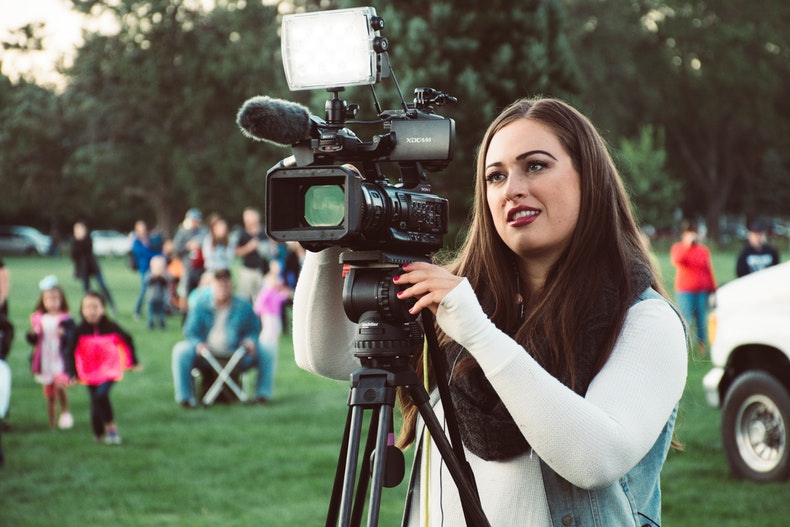
The growing role of video in education
Educational institutions are no longer using video only for promotional purposes. It now supports a wide range of everyday activities, including:
- Recording lessons for students who are absent or learning remotely
- Sharing campus tours, performances, and sporting events
- Training staff on safety, inclusion, and professional practice
- Documenting research, demonstrations, and public lectures
- Communicating with parents, careers, governors, and local communities
This variety makes video valuable, but it also makes governance more complicated. A recording created for an internal training session may later be useful for a public-facing campaign. Footage from an open day could be repurposed for social media. A classroom recording might be requested by families or shared with a wider group of students.
In each case, the original context matters. Consent, access permissions, retention policies, and the presence of identifiable individuals all need to be considered before publication.
Why manual review struggles to keep pace
Many schools and universities still rely on a member of staff to watch every video, identify sensitive content, and decide what should be removed or obscured. That approach can work for occasional clips, but it becomes difficult when an institution is handling dozens or hundreds of files.
Manual review creates several practical problems. It is time-consuming, particularly when recordings are long or contain multiple camera angles. It can also be inconsistent: two reviewers may interpret the same privacy risk differently, especially when policies are complex or deadlines are tight.
There is another issue that is easy to overlook. People naturally focus on faces, but video can expose personal information in many other ways. A student’s name on a display, a medical note left on a desk, a computer screen showing account details, or a vehicle registration plate may all create unnecessary risk.
The result is an uncomfortable choice. Institutions may either spend significant staff time reviewing media or avoid sharing useful content altogether. Neither option is ideal.
Privacy protection should be built into the workflow
A smarter approach begins by treating privacy as part of the publishing process, rather than as a final check added at the end. Before recording, institutions should establish clear rules about where footage will be used, who may appear, and how long the material should be retained.
Consent remains important, but it is not a complete solution. Consent forms can become outdated, people can appear unexpectedly in the background, and a video may be used in a different context months later. Technical safeguards provide an additional layer of protection when human oversight alone is not enough.
For organisations reviewing their options, tools that automate privacy protection for school media can help identify and obscure faces, screens, documents, and other potentially sensitive details before a file is shared. Automation does not remove the need for policy or judgement. Instead, it reduces repetitive work and gives staff a more reliable first pass, allowing them to focus on decisions that genuinely require human context.
This is particularly useful for busy communications teams and teachers, who may be expected to publish content without having specialist knowledge of data protection or video editing.
What a responsible video-sharing process looks like
Technology works best when it supports a well-defined workflow. A practical process might include the following stages.
1. Decide the audience before recording
Is the video intended for a closed class group, a parent portal, an internal staff area, or the general public? Defining the audience early helps determine how much review is necessary and prevents material from being distributed more widely than intended.
2. Limit unnecessary personal information
Simple production choices can reduce risk. Frame the speaker rather than the whole room, avoid filming paperwork or computer screens, and use designated areas for interviews and demonstrations. Good camera discipline is often the first line of privacy protection.
3. Review and redact before publication
Automated detection can identify common privacy risks at scale, but the final output should still be checked by a person. Reviewers should confirm that redactions are accurate, remain in place throughout the clip, and do not obscure essential educational content.
4. Control access after publishing
A video can be safely edited and still be exposed through poor access settings. Institutions should use role-based permissions, secure links, password protection where appropriate, and clear rules for downloading or resharing files.
5. Retain only what has a purpose
Not every recording needs to remain available indefinitely. Retention periods should reflect the reason the video was created, the expectations communicated to viewers, and the institution’s broader information governance policy.
Making video safer without making it less useful
Privacy protection should not become a reason to avoid valuable communication. In fact, a dependable review process can give educators more confidence to use video creatively.
For example, a university could publish a lecture recording while obscuring incidental student faces and personal information visible in the room. A school could share highlights from a sports day without exposing children who do not have permission to appear online. A safeguarding team could distribute training material while protecting sensitive case details.
The objective is not to remove all human judgement from media management. It is to direct that judgement where it matters most. Automation can handle repetitive visual checks; staff can assess context, consent, educational value, and the appropriateness of the final audience.
A more sustainable standard for educational media
As video becomes embedded in teaching and institutional communication, ad hoc handling will become increasingly difficult to defend. Educational organisations need a process that is consistent enough to scale, flexible enough to accommodate different audiences, and transparent enough to build trust with students, families, and staff.
The smartest approach combines thoughtful recording practices, clear governance, secure distribution, and technology-assisted review. Done well, it allows institutions to share more of what happens in their communities without treating privacy as an afterthought.
Video has enormous educational potential. Protecting the people who appear in it is what makes that potential sustainable.
FAQs
1. What information should schools avoid capturing in videos?
Schools should avoid unnecessarily recording personal or sensitive information such as student names, medical information, account details, paperwork, computer screens, and vehicle registration plates. Careful framing before recording can reduce how much sensitive material needs to be removed later.
2. Is student consent enough to make an educational video safe to share?
Not necessarily. Consent is important, but circumstances can change. People may appear unexpectedly in the background, consent records can become outdated, or footage may later be used for a different purpose. Privacy safeguards should therefore complement consent procedures.
3. Can automated video redaction replace human review?
No. Automated tools can identify and obscure common privacy risks, but a person should still review the finished video. Human reviewers can verify redactions and consider context, consent, educational value, and the intended audience.
4. How can educational institutions control access to shared videos?
Institutions can use role-based permissions, secure links, password protection where appropriate, and policies governing downloads and resharing. Privacy protection should continue after a video has been published.
5. How long should schools and universities keep recorded videos?
There is no single retention period appropriate for every recording. The article recommends basing retention on why the video was created, what was communicated to viewers, and the institution’s wider information governance policy.