Have you ever opened your bank balance three days before payday and felt your stomach drop? For many people, that small jolt of panic repeats every month, not because they earn too little, but because their daily spending goes untracked. Morning coffee runs, ride-share fares, and app subscription charges rarely feel significant on their own, yet together they quietly drain a budget. A smarter spending plan doesn’t require complex tools; it requires structure, honest tracking, and flexible options like BNPL payment services for bigger purchases. Here’s how to build a plan sturdy enough to handle your everyday expenses.
Track Every Peso
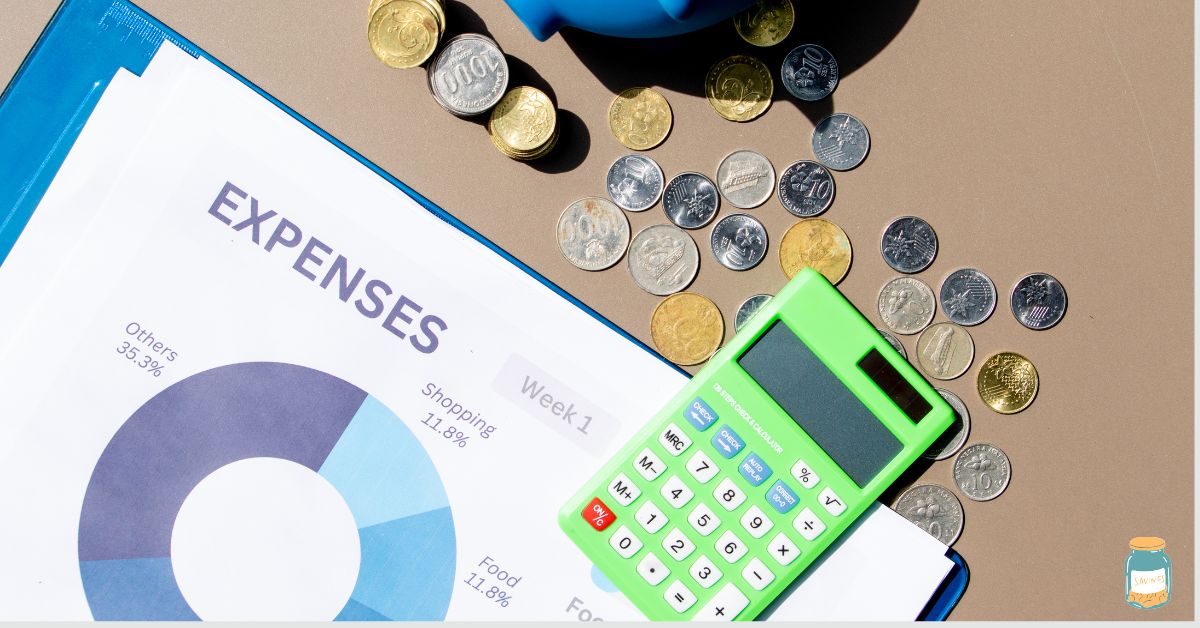
Your spending plan only holds up when it reflects real numbers, not estimates. Pull up the last month of your transactions and sort each one into a few clear categories:
- Food and groceries
- Transport and fuel
- Utilities and bills
- Everything else, including subscriptions and small daily purchases
These small purchases tend to hide in plain sight, since a daily snack or a forgotten subscription rarely feels worth noting on its own. Once listed together, though, these charges often add up to a surprising monthly total, one that rarely matches what you expect before actually running the numbers. If you track at least two weeks of spending, you’ll usually find one category eating more than expected, like food delivery or mobile load. That discovery becomes the starting point for every decision that follows, since adjustments only work once the actual pattern is visible.
Separate Needs from Wants
Every expense falls into one of two categories—needs and wants—and naming them clearly makes the rest of your plan easier to build. Here’s an example:
- Needs: rent, utilities, groceries, transportation to work
- Wants: dining out, streaming platforms, impulse purchases, entertainment
Both categories deserve a place in a healthy budget, so the goal is awareness rather than guilt over spending on either one. A budget that eliminates every want rarely survives long, since most people tend to abandon plans that are excessively restrictive. That said, problems also start when wants quietly take priority over needs, usually through small, frequent decisions rather than one large purchase. A useful check before you spend is asking whether the expense supports daily life or simply adds momentary pleasure. That short pause prevents the slow erosion that turns a workable budget into one that constantly falls short.
Build a Buffer Fund
Irregular costs disrupt your budget more than routine bills, mainly because they arrive without warning. A car repair, a medical visit, or a sudden family expense can undo weeks of careful planning if you don’t have a separate fund to absorb the impact. Setting aside even a small percentage of your income each payday builds this cushion over time, and the exact amount matters less than the habit of contributing to the fund regularly.
Consistency matters more than size here. A modest weekly contribution, kept untouched except for genuine emergencies, grows into a meaningful safety net faster than you’d expect. Without that buffer, you may turn to high-interest loans or credit cards when an unplanned cost hits, which then strains the following month’s budget. A financial buffer does not need to cover every scenario; it only needs to absorb the first shock, giving you enough breathing room to plan a proper response instead of scrambling for one.
Choose Payment Methods Wisely
Not every expense should be paid the same way. Groceries and small daily costs are best settled in full, while larger purchases—an appliance, a school fee, or a medical procedure—can strain a single month’s cash flow if paid all at once. Installment options let these bigger costs spread across several pay periods instead of consuming an entire paycheck; some providers even allow repayment within a short window at no added interest, which keeps the cost of borrowing from eating into the rest of your budget.
This approach depends on discipline, not convenience alone. Before choosing an installment plan, check whether the expense already fits inside a category from the budget you built earlier. If it does, the installment will support an existing plan. If it does not, the purchase deserves a second look before you commit. Treated this way, installments become a tool that reinforces your plan rather than replacing it.
The real payoff of a spending plan is not the numbers; it’s the mental space it frees up. When your money has already been accounted for, everyday decisions stop requiring constant recalculation in the back of your mind. Having one less thing to worry about is worth more than most budgeting advice admits. A plan that removes daily financial anxiety has already done its most important job, regardless of how precisely the numbers land each month.