At a GlanceSustainable packaging is a practical business decision that affects costs, operations, customer trust, and regulatory readiness. Effective strategies focus on lifecycle impact, scalability, and efficiency, helping businesses reduce waste, protect margins, and build long-term resilience. Key Takeaways:
|
Packaging is no longer just a sustainability decision. For startups and growing businesses, it directly affects costs, customer trust, regulatory risk, and brand perception. The containers you choose and how you use them influence everything from shipping efficiency to customer loyalty. Sustainable packaging has become a practical business tool, not a marketing add-on, and founders who treat it that way are better positioned to scale responsibly and competitively.
What Is Sustainable Packaging?
Sustainable packaging is not about choosing the most “eco-sounding” material or following trends. For businesses, it means designing packaging and container systems that minimize waste, reduce environmental impact, and still make operational sense.
Modern sustainable packaging typically focuses on a combination of the following:
- Materials that can be reused, recycled, or composted at scale
- Containers designed for durability and repeated use
- Reduced material usage through smarter sizing and design
- Packaging that fits into a circular economy rather than a single-use model
For startups, the key idea is lifecycle thinking. Instead of asking, “Is this material eco-friendly?”, the better question is, “What happens to this container after the customer is done with it, and how does that impact cost, waste, and perception?”
Why Sustainable Packaging Matters More for Businesses Today
Packaging decisions increasingly sit at the intersection of compliance, supply chain stability, and customer expectations. As markets evolve, packaging has become a visible indicator of how well a business anticipates risk and adapts to operational pressure.
Here are a few reasons why sustainability in packaging matters for businesses:
Heightened Consumer Awareness
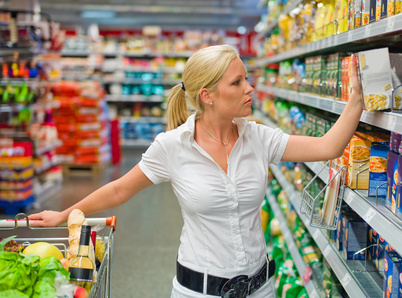
Awareness around waste and over-packaging has increased significantly. Many buyers pay close attention to how products are packaged, and poor packaging choices can signal carelessness or inefficiency. For growing brands, packaging has become part of the overall customer experience and brand trust equation.
Increased Regulatory Pressure
Many regions are introducing stricter rules around packaging waste, material responsibility, and labeling. Businesses that delay adapting often face higher compliance costs or rushed changes that disrupt operations.
Less Predictable Supply Chains
Material shortages, fluctuating shipping costs, and ongoing disruptions have pushed companies to rethink how much packaging they use and how efficiently it moves through their systems. Reducing unnecessary materials and improving packaging design can directly improve margins and flexibility.
Focus on Sustainability
Sustainability has become a meaningful business signal. Investors, partners, and customers increasingly view packaging choices as an indicator of how well a company manages risk and plans for long-term growth. Sustainable packaging is not just about environmental impact. It reflects operational discipline, adaptability, and credibility.
The Business Benefits of Sustainable Packaging for Startups
Sustainable packaging is often misunderstood as an added expense. In reality, when done correctly, it can deliver meaningful business benefits, as follows:
Brand Trust
Containers are often the first physical interaction a customer has with a product, making packaging a direct signal of quality, care, and operational maturity.
Long-Term Cost Advantages
Reusable containers, right-sized packaging, and reduced material usage can lower shipping costs and reduce the need for constant repurchasing of disposables. While the upfront cost may be higher in some cases, the total cost over time is often lower.
Operational Efficiency
Sustainable packaging often forces teams to simplify fulfillment, reduce materials, and standardize processes, leading to fewer errors and smoother scaling.
Appeal to Investors
For startups seeking funding, sustainable packaging can also improve investor appeal. It signals foresight, risk awareness, and an understanding of future regulatory and consumer trends.
Common Packaging Mistakes Startups Still Make
Despite growing awareness, many startups continue to make avoidable packaging mistakes, such as:
- Over-packaging. Using oversized boxes, excessive fillers, or unnecessary layers not only increases waste but also drives up shipping costs.
- Choosing materials based on marketing claims rather than reality. For example, compostable packaging that customers cannot realistically compost often ends up in landfills, creating confusion rather than impact.
- Not considering scalability. Some businesses switch to new materials without thinking about supply reliability or scalability. Sustainable packaging must work not just today but as order volumes grow.
- Failure to communicate clearly with customers. Even well-designed packaging can be misused or discarded incorrectly if customers are not told how to reuse or dispose of it.
Types of Sustainable Containers and Packaging Options
The right packaging choice depends on product lifespan, customer behavior, and operational constraints.
Reusable and Refillable Packaging Systems
Reusable packaging focuses on durability and long-term use. This includes containers made from glass, stainless steel, or high-quality plastics designed to be reused many times.
Some businesses implement refill models, where customers return containers or refill them through subscriptions or local partners. While not suitable for every product, reusable systems can dramatically reduce waste and build strong customer loyalty.
Compostable and Biodegradable Packaging
Compostable packaging is typically made from plant-based materials and designed to break down under specific conditions. This option can work well for food, personal care, or short-life products.
However, compostable does not always mean composted. If customers do not have access to proper composting facilities, the environmental benefit may be limited.
Recycled and Circular Packaging Materials
Using recycled content helps reduce demand for virgin materials and supports a circular economy. Circular packaging is designed so materials can be recovered and reused again and again.
This approach often works well for shipping boxes, protective materials, and containers that customers already know how to recycle.
Sustainable Packaging and the Circular Economy
Circular packaging shifts packaging from a disposable expense into an operational system. Instead of treating containers as single-use costs, circular models focus on reuse, recovery, and material efficiency across the product lifecycle.
For startups, this approach reduces long-term dependency on virgin materials and lowers exposure to packaging regulations that increasingly penalize waste-heavy systems. Packaging designed for reuse, refilling, or efficient recycling creates more predictable material flows and helps stabilize costs as the business scales.
Circular packaging also supports operational flexibility. When materials are designed to stay in use longer, businesses can adapt more easily to supply disruptions and material price volatility. Over time, this reduces risk and simplifies compliance as sustainability requirements continue to expand.
Rather than being a theoretical framework, the circular economy provides a practical lens for designing packaging systems that are cost-aware, scalable, and better aligned with long-term business resilience.
How to Reduce Packaging Waste Without Raising Costs
Reducing packaging waste does not require a complete overhaul. Small, deliberate changes can have a significant impact.
- Conduct a packaging audit. Review every material used, from primary containers to shipping fillers, and ask whether each one is necessary.
- Prioritize right-sizing. Using packaging that fits the product more closely reduces material use and shipping expenses at the same time.
- Work closely with suppliers. Many suppliers offer recycled or lower-impact options that are cost-competitive when ordered at scale.
- Educate customers. Clear instructions on reuse, recycling, or refilling help ensure packaging performs as intended.
What Investors Look for in Sustainable Packaging Choices
Investors are increasingly attentive to sustainability, but not in a superficial way. They prefer businesses that are more eco-friendly, and look for signs that packaging decisions are thoughtful, scalable, and aligned with long-term business goals.
Investors pay attention to whether packaging decisions can scale without increasing operational complexity or regulatory exposure. These factors reflect a founder’s ability to think beyond short-term wins.
For early-stage companies, even modest sustainable packaging initiatives can signal maturity and strategic awareness.
Getting Started: A Practical Checklist
For founders unsure where to begin, a simple checklist can help.
- Review your current packaging materials and identify the highest sources of waste or cost. Explore reusable, recycled, or reduced-material alternatives that fit your product and customers.
- Test changes in small batches before scaling. Talk to suppliers about sustainability options and verify claims carefully.
- Communicate clearly with customers. Let them know how and why your packaging choices matter, and invite feedback.
Smart Packaging Choices Create Real Business Advantages
Packaging decisions shape more than sustainability metrics. They affect operating costs, customer perception, regulatory readiness, and how well a business scales. For startups and growing companies, sustainable packaging is a practical lever, not a side initiative.
Progress does not require perfection. Strong businesses start by reducing obvious waste, choosing more efficient materials, and building packaging systems that can adapt as the company grows.
Thoughtful container and packaging choices help align day-to-day operations with long-term business resilience. Done right, sustainable packaging supports efficiency, credibility, and growth, while also reducing environmental impact.