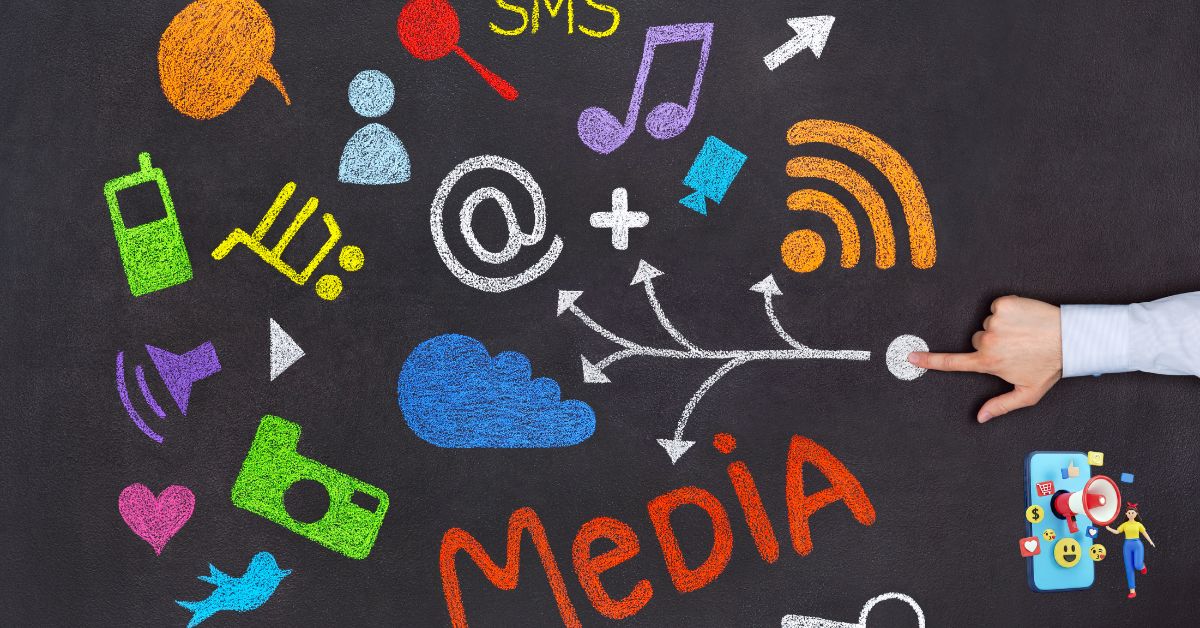
In 2026, the global technology landscape is more competitive than ever. Investment is pouring in, and the startup ecosystem is thriving with ambition and innovation. But for every founder and B2B marketing executive, this booming environment presents one critical challenge: digital marketing noise.
Once an exciting frontier of boundless opportunity, the digital landscape has hit a threshold of saturation. The problem isn’t a lack of channels, but the overwhelming torrent of content flowing through them. Inboxes are fortified battlegrounds, guarded by AI filters and ruthlessly managed by time-poor decision-makers. Even LinkedIn is now inundated with hyper-personalized, AI-generated spam that increasingly fails to connect on a human level.
While many marketing teams continue to pour resources into chasing the latest algorithm tweak, forward-thinking business leaders are discovering a powerful paradox. To move forward in this hyper-digital era, they are strategically “going retro.” Tangible media – the carefully crafted physical asset you can hold, touch, and feel – is no longer a step backward. In 2026, it’s a potent secret weapon that cuts through noise in a way digital assets no longer can guarantee.
Haptic Memory & the Psychology of the Physical
The power of physical media is rooted in how our brains process information. This is often connected to the “Endowment Effect,” where individuals value things more highly merely because they are physically interacting with them. When we engage with a screen, the interaction is primarily visual and transient. But a physical object activates multiple senses, creating a richer, more complex “haptic memory.”
The simple act of turning a page and feeling the texture of paper engages a type of linear concentration that digital interfaces actively disrupt. The result is a sense of focused calm and importance around the document. In an era of deepfakes and fleeting ads, physical ink signals permanence and legitimacy.
For startups vying for funding from investors who are overwhelmed by digital pitch decks, this distinction is critical. A PDF version of your deck is just another file – easily archived and easily forgotten. But a beautifully bound, professionally printed pitch deck sitting on an investor’s desk has a physical presence that cannot be minimized. It demands a different type of attention.
The “Phygital” Bridge: Beyond the Business Card
Embracing tangible media does not mean abandoning the digital world. On the contrary, the most effective 2026 strategies use print as an accelerant for digital.
At major industry conferences and tech hubs, a generic business card is disposable. However, a high-end “Leave-Behind,” such as a custom-bound case study booklet, commands respect. The integration of technology makes these pieces even more potent:
- Integrated Tech: QR codes and NFC (Near Field Communication) tags can be elegantly integrated into printed reports.
- Dynamic Fusion: These tools direct leads to real-time data dashboards, personalized landing pages, or product demonstrations.
- Premium Aesthetic: Startups are moving toward a “Premium Minimalist” look, utilizing thick cardstock and refined matte finishes.
Scaling Without the Overhead
The common objection to physical media is cost and operational complexity. Right now, plenty of startups are operating in an environment that prioritizes “disciplined execution” and “margin protection.” Investing in massive industrial printers, maintaining internal mailrooms, or managing complex inventory is antithetical to the lean, agile methodologies that fuel innovation.
Thankfully, the modern landscape offers a solution that doesn’t demand a capital expenditure. Instead, it involves outsourcing specialized logistics to expert partners, an approach that perfectly aligns with an asset-light operational model.
Using an online document printing service allows a lean marketing team to produce high-quality bound reports, professional training manuals, or critical pitch presentations with sophisticated finishes and binding. These can then be delivered directly to a key client’s office, a major event site, or an investor’s desk. This maintains a premium brand image without the overhead of purchasing and managing complex print equipment. And that means your marketing resources can remain focused on strategy and creation, leaving specialized partners to handle production and distribution.
Making it Real
The battlefield for attention will only intensify. The startups that will dominate in 2026 and beyond are those that recognize the screen is only half of the conversation. The future belongs to the leaders who can master both the digital realm and the physical hand.