At A GlanceProper tattoo removal aftercare supports healing, reduces complications, and helps the body clear ink more effectively. Following the right steps between sessions improves recovery time and final results. Aftercare is important because laser treatment breaks tattoo ink into small particles, but the immune system is responsible for removing them. Without proper care, issues such as infection, hyperpigmentation, or delayed healing can occur, which may negatively affect final results. Key Takeaways:
|
Choosing to remove a tattoo is often a practical decision tied to personal growth, professionalism, or simply wanting a fresh start. While laser treatment initiates the process, the outcome depends heavily on how well the skin is cared for between sessions. Proper tattoo removal aftercare plays a direct role in healing time, skin clarity, and overall results.
Understanding what to expect and how to manage recovery can help reduce complications and ensure the process moves forward smoothly.
Understanding the Healing Process
After laser tattoo removal, the skin needs time to recover while the body works to clear fragmented ink particles. It is normal for the treated area to appear red, swollen, or warm immediately following a session, similar to a mild sunburn. This reaction indicates that the immune system is responding appropriately.
In the days that follow, blistering, scabbing, or crusting may occur. These responses are part of the natural healing cycle and should not be viewed as problems unless they worsen or show signs of infection. The body gradually flushes out ink particles through the lymphatic system, which is why sessions are spaced weeks apart and require patience.
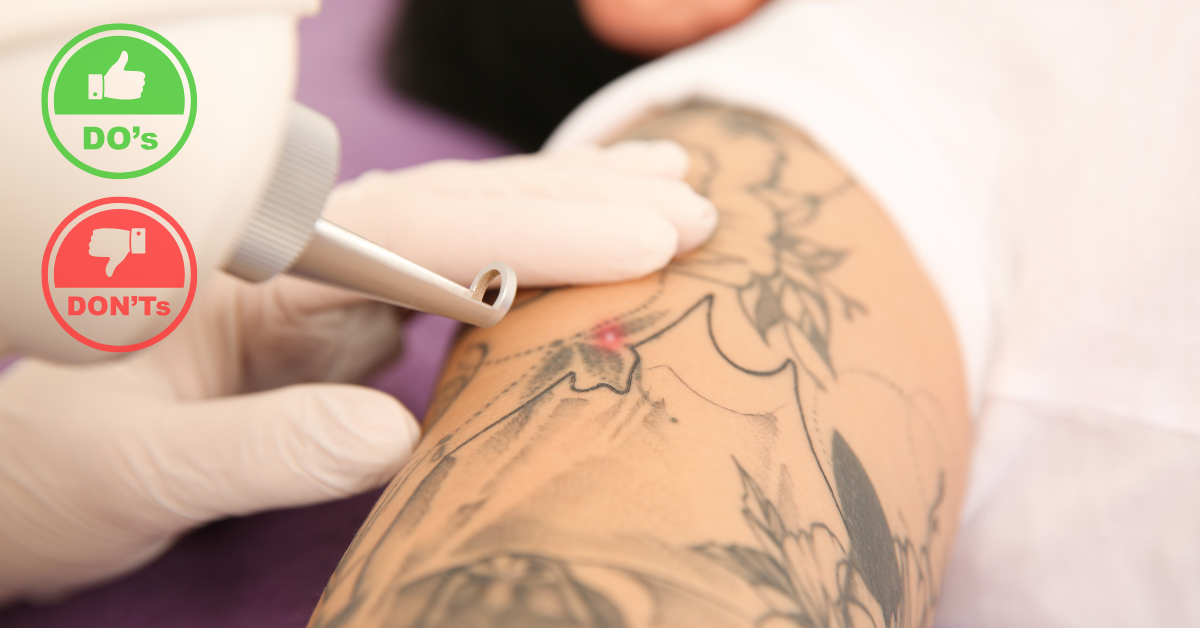
Here are five effective tattoo removal aftercare tips to keep in mind:
1. Keep the Area Clean and Protected
Maintaining cleanliness is essential for preventing infection and supporting proper healing. The treated area should be gently washed twice daily using lukewarm water and a mild, fragrance-free soap. Pat the skin dry with a clean towel rather than rubbing, which can irritate sensitive tissue.
After cleaning, apply a thin layer of antibiotic ointment or a healing cream recommended by your provider. Cover the area with a sterile, non-stick bandage for at least the first three days. Bandages should be changed whenever they become wet or soiled to maintain a controlled healing environment.
2. Avoid Sun Exposure at All Costs
Sun exposure is one of the most common causes of complications during tattoo removal recovery. UV rays can trigger hyperpigmentation, slow healing, and increase the risk of scarring. In some cases, sun damage can be more difficult to correct than the tattoo itself.
The treated area should remain covered with clothing or a bandage when outdoors. If exposure cannot be avoided, apply a broad-spectrum sunscreen with SPF 30 or higher once the initial healing phase has passed. Many Newtown tattoo removal specialists recommend waiting at least two weeks before applying sunscreen directly to treated skin.
3. Don’t Pick, Scratch, or Pop
Scabs and blisters may be uncomfortable, but interfering with them can lead to infection, scarring, and uneven results. Blisters form as part of the body’s protective response and should be left to heal naturally.
If itching becomes difficult to manage, a cold compress or an over-the-counter antihistamine may help. Gently tapping the area is safer than scratching. Allowing the skin to heal without disruption supports better long-term outcomes.
4. Stay Hydrated and Support Your Immune System
Once laser energy breaks down tattoo ink, the immune system is responsible for removing it. White blood cells transport ink particles through the lymphatic system, making overall health an important factor in results.
Drinking adequate water helps support this process. Aim for at least eight glasses per day, increasing intake after treatment sessions if possible. Consistent sleep, balanced nutrition, and stress management all contribute to more efficient healing and ink clearance.
5. Avoid Strenuous Exercise and Heat
For the first 48 hours after treatment, activities that cause excessive sweating or elevate body temperature should be avoided. This includes intense workouts, hot yoga, saunas, steam rooms, and hot tubs. Heat and moisture can irritate the treated area and increase infection risk.
Light movement such as walking is generally acceptable during early recovery. Once swelling, blistering, and scabbing have resolved, normal exercise routines can be gradually resumed.
Tattoo Removal Aftercare FAQs
How long does tattoo removal take to heal?
Most tattoo removal treatments heal within one to two weeks, although deeper healing and ink clearance continue for several weeks. Full recovery between sessions is necessary to allow the immune system to remove broken-down ink particles effectively.
What should I do immediately after laser tattoo removal?
After treatment, gently clean the area with mild soap and lukewarm water, apply a recommended healing ointment, and cover it with a sterile bandage. Keeping the area clean and protected helps prevent infection during the initial healing phase.
Is blistering normal after tattoo removal?
Yes, blistering is a normal response after laser tattoo removal. Blisters protect the skin during healing and should not be popped or picked, as doing so can increase the risk of infection and scarring.
When can I expose treated skin to the sun?
Sun exposure should be avoided during the healing phase. Once the skin has healed, sunscreen may be applied, typically after two weeks, to protect the area from pigmentation issues.
How many tattoo removal sessions are usually needed?
Most tattoos require multiple sessions spaced several weeks apart. The exact number depends on factors such as ink color, tattoo size, skin type, and individual immune response.
Final Thoughts
Tattoo removal is a process that benefits from consistency and careful management between sessions. Following proper aftercare reduces unnecessary risks, limits downtime, and improves the likelihood of clear, even results.
Approaching recovery with intention and patience helps ensure each treatment builds on the last. By listening to your body, following professional guidance, and allowing adequate healing time, the removal process becomes more predictable and effective.