Grand openings always get applause. Whether you are opening your first office or you have buildings all over the world. There is a huge moment of growth and celebration as you grow the physical part of your business. But once the excitement fades and business goes on as normal, the quiet and demanding phase of owning buildings comes into play: maintaining them.
For businesses with offices, warehouses, or multibuilding campuses, the success of your business is going to rely on the upkeep and maintenance. This includes so many different things, including daily wear and tear, adapting to changing work and teams, pressure from the elements, evolving laws and regulations, health and safety, time and much more. These are all so important, because the workplace is going to be occupied by employees, customers and important business assets.
Maintenance is vital for the growth of your business, and the happiness and safety of your employees, customers and business assets. Unfortunately, it doesn’t always get the same attention as setting up or expanding a business. Without this insight and a good strategy, it can cost your business a lot.
To help you properly maintain your buildings and grow your business, here are some top tips for a thriving workplace.
#1 Internal upkeep that goes beyond clearing
Most businesses will have some kind of janitorial service that keeps floors, desks, and trash cans clean. These are important. But the upkeep of your building requires a lot more.
Over time, small things can add up and become outdated, or costly issues, to both money and health. These can impact the reputation of your business, how your employees feel, and the safety of people who come into the building.
Consider things that seem small, such as a fading and peeling paint, damp and mold, wall scruffs, dimming or inefficient lights, outdated electrical wires and plumbing, fraying carpets, broken floor tiles, broken equipment, and more. Conduct a regular assessment of your office.
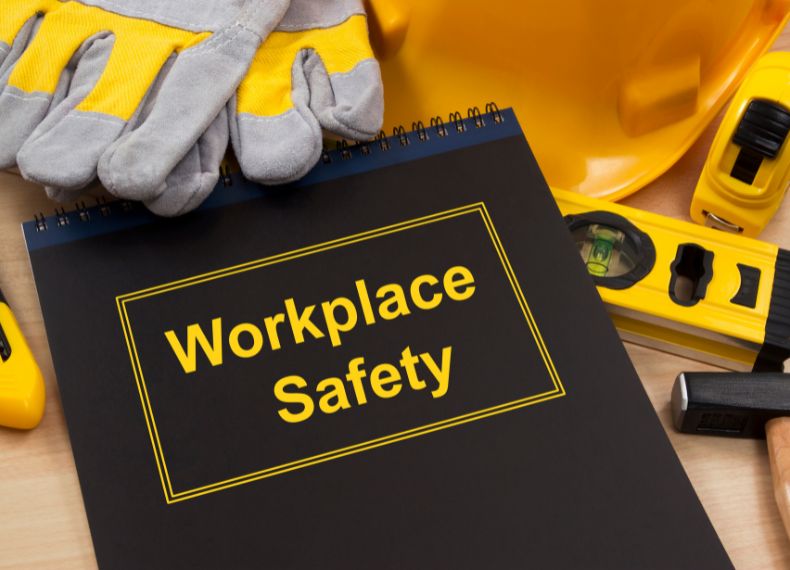
#2 Health and safety
Health and safety should be proactive, as opposed to reactive. Make sure you have routine inspections for specific health and safety standards, such as:
- Electrical panels and writing
- Emergency lighting
- Exit signage
- Fire extinguishers and suppression systems
- Slip-and-fall risks in high-traffic areas
- Warehouse racking stability
If you have a warehouse with industrial components, then you face even bigger risks that you must have an assessment for.
#3 Structural integrity
Some of the biggest and most expensive problems are the least visible and avoided.
Roofing systems can deteriorate quietly, water leaks can become structural damage, concrete foundations can develop cracks due to soil shifts or temperature changes, car parks erode, drainage systems clog, and more.
If these issues are not dealt with properly, it can be a huge issue and cost in the future. Make sure you have a strong maintenance plan that includes: a commercial concrete contractor to repair any concrete issues, annual roof inspections, drainage system cleaning, and additional assessments during and after winter.
Maintenance of your work buildings may not be the thing that actively grows your business, but it does sustain everything that sits under the roof of your business.
