At a GlanceStartups often rely on spreadsheets to track tools and equipment, but manual systems create errors, lost assets, and hidden operational costs as teams grow. Founders looking to track tools without spreadsheets need a more scalable approach as informal tracking breaks down under scale and reduces visibility. A structured, mobile-first system using QR codes and AI-assisted inventory tools provides clarity without enterprise-level complexity. Establishing simple processes early prevents operational friction from slowing growth. Key Takeaways:
|
Running a startup requires constant prioritization. Product development, hiring, and fundraising take center stage, while operational details like how to track tools without spreadsheets often feel secondary. In the early days, informal systems may seem sufficient.
However, as teams grow, small gaps in asset tracking turn into measurable costs. Lost laptops, duplicated purchases, and underused equipment reduce operational visibility and create unnecessary expense. What begins as a minor oversight can evolve into a scaling constraint.
The problem is not a lack of intent. Most founders recognize the need for organization, but traditional tracking methods feel either too manual to maintain or too complex to implement. A practical, low-friction system can provide structure without adding operational overhead.
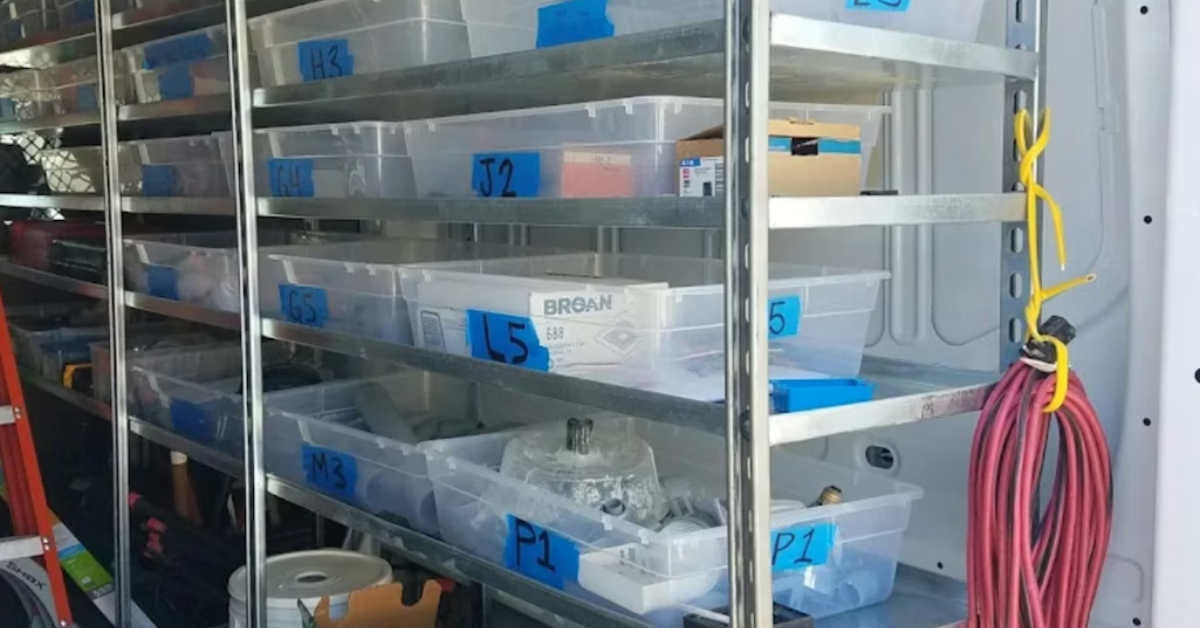
The Hidden Cost of Disorganized Startup Assets
Founders prioritize product development, hiring, and fundraising. Asset tracking often feels secondary, especially when teams are small and everyone knows where equipment is located. At that stage, informal systems seem manageable.
However, physical assets increase quickly as operations expand. More employees, devices, and shared tools create complexity. What once relied on memory and casual coordination becomes harder to manage. Disorganization creates measurable costs that are easy to underestimate:
- Lost productivity and focus: The more time employees spend looking for equipment or tech, the less time (and focus) they have to do their jobs. Context switching between hunting for assets and doing real work has a big impact on your business. In fact, some studies say that employees spend 3.6 hours every day looking for information, which eats into your team’s momentum.
- Errors: Even well-intentioned spreadsheets have a 1% to 3% error rate, which compounds as inventories grow and change.
- Hidden costs: When high-value items go missing, it costs your startup more than just replacement costs. Factoring in labor and downtime, the total cost of a single lost laptop can exceed $49,000.
These costs rarely appear as a single line item. Instead, they accumulate through inefficiencies, duplicated purchases, and operational friction. What seems minor in the early stages can become a structural weakness as the company scales.
Three Features That Make Asset Tracking Work at Scale
Spreadsheets may support asset tracking in the earliest stages, but they break down as teams and equipment expand. A scalable system reduces manual input and improves visibility without adding operational complexity. The following features increase structure while keeping processes simple.
1. QR Codes
QR code labels create a direct link between a physical asset and its digital record. Instead of searching through a spreadsheet, employees scan the code and access the asset’s profile instantly. This reduces lookup time and improves accountability during check-out and transfers.
Most systems allow QR scanning through standard smartphones, eliminating the need for dedicated hardware. The result is a lightweight tracking method that introduces structure without increasing overhead.
2. AI Image Recognition
QR codes simplify identification, but initial setup and categorization can still require manual entry. AI image recognition reduces that workload. By capturing a photo, the system can automatically extract product details such as category, model, color, and description.
Some platforms can detect multiple items within a single image and separate them into individual entries. This accelerates onboarding of new equipment and reduces data-entry errors.
3. Video AI Inventory
QRs and image recognition improve asset tracking efficiency, but video AI inventory features further reduce friction for larger inventories or storage environments. A recorded walkthrough of a room can be converted automatically into a structured asset list.
Tools like Scanlily support this video-based approach, helping founders build large inventories in minutes rather than days. You can narrate as you go to add more detail to the system, make multiple recordings back-to-back, and receive notifications when each inventory batch is ready.
Fixing the Friction Points in Asset Tracking
Asset tracking problems rarely stem from indifference. They emerge when available systems feel either too manual to maintain or too complex to implement. As a result, operational gaps develop gradually and become more costly as the company grows. Three recurring friction points tend to limit scalability.
1. Manual Errors
Spreadsheet-based tracking depends on manual data entry, which introduces inaccuracies over time. Duplicate purchases, missing tools, and outdated records are common consequences. Increasing oversight does not solve the problem; reducing manual input does.
Errors can be minimized by:
- Using QR codes to access asset records instantly
- Applying AI-assisted categorization from photos or video
- Requiring periodic employee spot-checks of AI-generated updates
2. Lack of Visibility
As teams expand, operational visibility becomes essential. Leadership and investors expect accurate reporting on company resources as spending increases. This move toward structured oversight aligns with broader workforce digitization and emerging technology trends in human resources. Without formal tracking systems, asset data quickly becomes fragmented and unreliable.
A scan-based system strengthens visibility by generating real-time updates whenever equipment is checked out, transferred, or returned. Although implementation requires employee training, it replaces informal memory-based tracking with accountable, traceable processes.
3. Problems With Scale
Manual systems may function with a small team and limited equipment. However, complexity increases quickly across multiple teams, locations, or shared devices. Informal tracking methods struggle to adapt to distributed environments.
Disorganized systems compound over time. Implementing structured QR and AI-supported tracking early creates a foundation that can evolve with growth rather than collapse under it.
Final Thoughts: Organize Early, Scale Smarter
Operational discipline compounds over time. Small inefficiencies in tracking tools and equipment may appear manageable in the early stages, but they create structural risk as teams expand. Asset visibility, accuracy, and accountability become increasingly important with growth.
Establishing a simple, structured tracking system early prevents minor gaps from evolving into operational constraints. Clear asset data supports better financial oversight, stronger resource management, and more predictable scaling. The earlier the system is implemented, the easier it is to sustain.