Starting a business costs more than most founders expect—and the biggest risks usually come from the expenses people don’t see coming. Before you launch, it’s crucial to know exactly what you’ll spend on legal setup, branding, tools, operations, and early marketing. The clarity you gain here prevents overspending, keeps you in control of your cash flow, and helps you launch with confidence instead of guesswork.
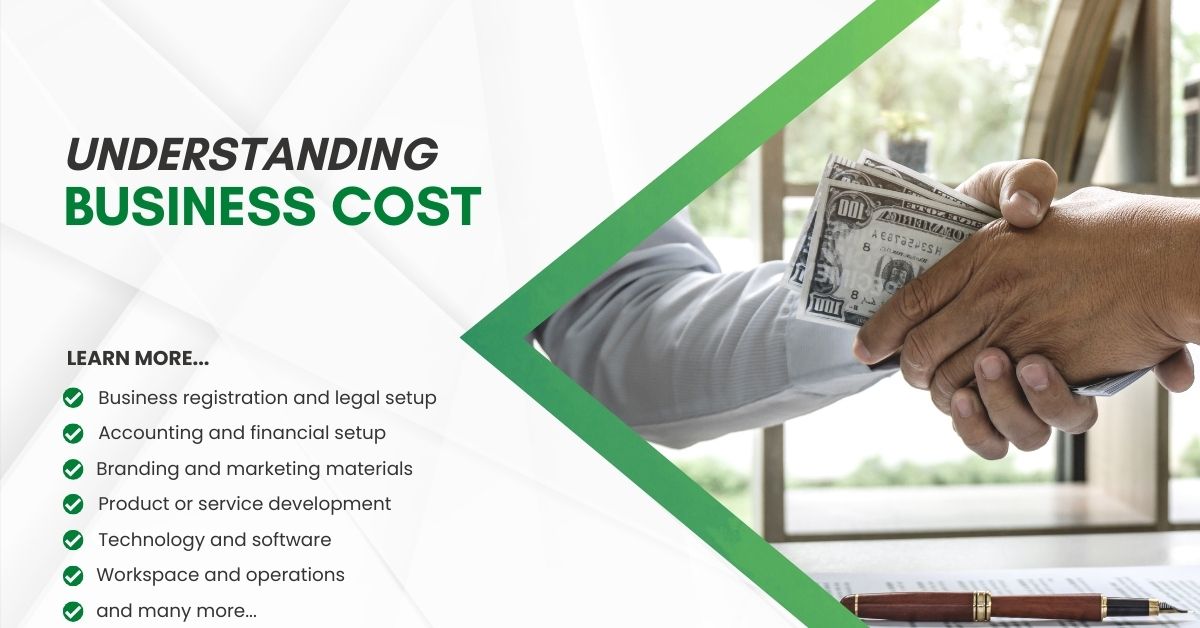
Why Understanding Startup Costs Matters
A clear understanding of your startup costs gives you two major advantages: control and direction. When you know what you’re really paying for, you can make smarter decisions about timing, budgeting, and which parts of the business deserve investment first. It also prevents the most common financial mistakes new founders make, like underestimating legal fees, forgetting operational tools, or overspending on branding before validating demand.
Costs aren’t just numbers to prepare for. They shape the way you launch. A founder who budgets accurately can move faster, stay lean, and adapt without blowing through savings or taking on unnecessary debt. This is the foundation that lets your business survive the early stages and build long-term momentum from a position of financial strength.
If you also want a step-by-step view of the process beyond the numbers, check out our guide on how to start a small business in 2026 with a clear plan.
Common Startup Costs Every Founder Should Expect
Every business is different, but most startups face the same core expenses during the launch phase. These costs fall into predictable categories that give you a realistic picture of what it takes to get operational. Understanding each category helps you identify what applies to your business, what you can delay, and where you can save without weakening your foundation.
Startup Cost Breakdown Table
Below is a summary of the most common expenses founders face when launching a business. These ranges will vary depending on industry, location, and how lean or ambitious your launch is, but they give you a clear starting point for planning.
| Cost Category | Low Estimate | High Estimate | What This Covers |
| Business registration and legal setup | $200 | $1,500 | Formation fees, permits, licenses, legal consultation |
| Accounting and financial setup | $200 | $1,200 | Accounting software, bookkeeping setup, tax registration |
| Branding and marketing materials | $500 | $5,000 | Logo, brand identity, website, marketing tools |
| Product or service development | $1,000 | $20,000+ | Prototypes, materials, inventory, tools, certifications |
| Technology and software | $50/mo | $300/mo | CRM, project tools, cloud storage, communication software |
| Workspace and operations | $0 | $5,000/mo | Home office setup, coworking space, office lease |
| Hiring and labor | $400/mo | $1,200+/mo | Contractors, freelancers, part-time team members |
| Insurance | $500 | $2,000 | Liability, professional, cyber insurance |
| Taxes | 15% of income | 30% of income | Income tax, sales tax, employment tax, and quarterly estimated payments |
| Emergency and buffer fund | $500 | $5,000+ | Unplanned expenses, slower months, repairs |
Business Registration and Legal Setup
The first set of costs you’ll encounter involves making your business official. This includes everything required to operate legally, protect your personal assets, and stay compliant with state and local regulations. These expenses vary by location and structure, but they form the foundation of a legitimate business.
You may need to pay for business name registration, licenses, permits, and state filing fees if you choose an LLC or corporation. Some founders also consult with a lawyer early on to review contracts or draft operating agreements. These upfront legal costs help prevent costly issues later and give you the confidence that your business is built correctly from the start.
Estimated cost range: $200 to $1,500
Accounting and Financial Setup
Once your business is legally established, the next step is setting up systems to handle money properly. This includes the tools and services that allow you to track expenses, manage income, prepare for taxes, and maintain clean, organized financial records. Even small businesses benefit from having these systems in place early.
Common expenses include accounting software, bookkeeping setup, state tax registrations, and opening a business bank account if your bank requires a minimum deposit. Founders who want tax clarity from day one may also consult an accountant for initial planning and entity structure guidance. These financial tools help you avoid compliance issues and give you better visibility into your cash flow.
Estimated cost range: $200 to $1,200
Branding and Marketing Materials
Your brand is often the first impression customers have of your business, which is why early branding and marketing expenses matter more than most founders expect. These costs cover the essentials that make your business look credible, trustworthy, and ready for the market.
You may invest in a logo, color palette, and basic brand identity, along with a website that explains who you are and what you offer. Many founders also pay for website hosting, design templates, domain registration, and initial marketing tools such as email platforms or social media scheduling software. If you plan to launch with content, ads, or promotional materials, those fall under this category as well.
The goal at this stage isn’t to create a perfect brand but to build something functional and professional enough to attract your first customers.
Estimated cost range: $500 to $5,000
Product Development or Service Setup
This is often the biggest early cost for new businesses because it covers everything required to create the product or service you plan to sell. What you spend here depends entirely on your business model, industry, and how close your idea is to being launch-ready.
For product-based businesses, this may include prototyping, raw materials, manufacturing, packaging, and initial inventory. Even small batch production can be costly, especially if you need specialized equipment or third-party suppliers. For service-based businesses, this category often involves tools, certifications, training, or equipment needed to deliver your service professionally.
These expenses directly impact your ability to launch, since they determine what you can actually offer customers on day one. Being strategic here helps you avoid overbuilding before you’ve validated demand.
Estimated cost range: $1,000 to $20,000+
Technology and Software Tools
Most modern businesses rely on a core set of digital tools to stay productive and organized. Even lean startups usually need software for project management, communication, customer tracking, file storage, and basic security. These tools help you operate efficiently without hiring additional people early on.
Common expenses include subscriptions for project management platforms, CRM systems, cloud storage, scheduling tools, website apps, and communication platforms. While many tools offer free tiers, most founders eventually upgrade for better features, integrations, or team access. Choosing the right software early can streamline operations and prevent costly tech changes later.
Estimated cost range: $50 to $300 per month
Workspace and Operations
Your workspace affects your daily operations, productivity, and long-term expenses. Some founders start from a home office to keep costs low, while others choose coworking spaces or leased offices to meet clients, collaborate with teams, or store equipment.
A home office is typically the most cost-efficient option and may only require small upgrades like a desk, chair, or additional equipment. Coworking spaces provide amenities such as meeting rooms, high-speed internet, and a professional environment, but come with monthly fees. If your business requires a storefront, warehouse, or dedicated office, leasing becomes a major operational expense and usually includes utilities, furnishings, maintenance, and insurance.
These choices influence not only your budget but also your workflow and scalability.
Estimated cost range:
- Home office: $0 to $100 per month
- Coworking space: $200 to $600 per month
- Office lease: $1,000 to $5,000+ per month
Hiring and Labor Costs
People are often the most significant investment in a new business. Even if you don’t plan to hire full-time employees right away, you may still need help from freelancers, contractors, assistants, or specialists to get your business off the ground. Labor costs include not just payments for work but also the time and resources required to onboard and manage people.
Founders commonly hire help for tasks like design, marketing, customer service, product development, or administrative support. If you bring on employees, additional costs come into play, such as payroll taxes, benefits, and compliance requirements. Contractors offer more flexibility, but rates vary depending on expertise and project scope.
Hiring smart early on helps you avoid burnout, speed up your launch, and free up time to focus on strategy and growth.
Estimated cost range: $400 to $1,200+ per month for part-time contractors; significantly higher for employees
Insurance
Insurance protects your business from risks that can lead to major financial losses. Even small startups benefit from basic coverage, especially if you’re working with clients, storing customer data, or handling physical products. Insurance also makes your business look more credible to partners, customers, and potential investors.
Common options include general liability insurance to cover accidents, professional liability insurance for service-based businesses, and cyber insurance if you store sensitive information online. Some industries require specific policies before you can operate legally. While these costs might feel optional at first, having the right protection helps you avoid expensive problems later and gives you peace of mind as you scale.
Estimated cost range: $500 to $2,000 per year
Taxes
Taxes are one of the most frequently overlooked startup expenses. Even before your business becomes profitable, you may owe fees related to income tax, sales tax, employment tax, and quarterly estimated payments. These obligations vary by state and business structure, but preparing for them early helps you avoid penalties and cash flow issues later.
You may need to register for state and local tax accounts, collect and remit sales tax, or pay estimated quarterly taxes as soon as you start earning revenue. If you hire employees, payroll taxes become an additional responsibility. Planning ahead allows you to set aside the right amount each month instead of scrambling during tax season.
Estimated cost range: varies widely, but many small business founders set aside 15% to 30% of income to stay prepared.
Emergency and Buffer Funds
Even the most carefully planned startups encounter unexpected expenses. Equipment breaks, software needs upgrading, suppliers raise prices, or you simply run into a slow month. Having a dedicated buffer protects your business from these surprises and prevents you from dipping into personal savings or taking on debt too early.
A good buffer covers short-term needs such as repairs, extra marketing pushes, last-minute contractor work, or higher-than-expected operating costs. This financial cushion also gives you stability as you navigate the uncertain early stages of launching and building traction.
Estimated cost range: $500 to $5,000+ depending on your business model and risk tolerance
If you want to understand what might still be missing from your budget, take a deeper look at the hidden costs of running a business.
How to Calculate Startup Costs
You don’t need complex software to estimate your startup costs. A simple formula gives you a clear picture of what it will take to launch and operate your business in the first few months. Use this three-step method to calculate your total startup budget:
1. Add Your One-Time Startup Costs
These are expenses you pay once during setup, such as:
- Legal registration
- Licenses and permits
- Branding and logo design
- Website development
- Initial equipment or inventory
- Professional services
Formula: One-Time Costs = Sum of all upfront expenses
2. Add the First 3 Months of Operating Costs
This helps you understand what it takes to stay operational in the early stage before revenue becomes consistent.
Examples include:
- Software subscriptions
- Workspace or utilities
- Marketing tools
- Contractor or labor costs
- Monthly insurance payments
Formula: Three-Month Operating Costs = Monthly costs × 3
3. Add a Safety Buffer
Unexpected expenses will always appear, so it’s smart to build a cushion into your plan.
A good buffer is 10% to 20% of your combined one-time and three-month operating costs.
Formula: Safety Buffer = (One-Time Costs + Three-Month Operating Costs) × 0.10 to 0.20
4. Calculate Using the Final Startup Cost Formula
Total Startup Cost = One-Time Costs + (Monthly Costs × 3) + Safety Buffer
This gives you a practical, realistic estimate you can use for planning, raising capital, or deciding when you’re ready to launch. Once you know your total startup cost, the next question is how to pay for it. To explore real-world strategies, read how founders are actually affording their businesses right now.
How Founders Can Keep Startup Costs Low
Launching a business doesn’t have to be expensive. Many successful founders start lean, test quickly, and only invest heavily once they’ve validated demand. Being strategic with your early spending helps you protect your cash, extend your runway, and avoid the common trap of overbuilding.
One of the most effective ways to stay lean is to focus on the minimum viable version of your product or service. Instead of creating a perfect offering from day one, start with the simplest version that delivers real value. You can also reduce costs by using no-code tools, free or low-cost software, or open-source alternatives. Working from home, outsourcing specific tasks to contractors, and delaying large purchases until necessary also help you stay efficient.
Every dollar counts at the beginning. The goal isn’t to be cheap; it’s to be intentional. Spend where it matters, save where you can, and build a system that grows sustainably as your business strengthens.
Final Thoughts
Starting a business becomes far less intimidating when you understand the true costs involved. With a clear breakdown of what you need to spend—and why—you can budget confidently, avoid surprise expenses, and make smarter decisions as you build. Early financial clarity gives you a real advantage: you move faster, preserve your resources, and launch with a foundation built for long-term stability.
The startup journey is full of unknowns, but your expenses don’t have to be one of them. When you know your numbers from the start, you gain the clarity and control every founder needs to turn an idea into a sustainable business.
