
Estate disputes are rarely just about money. Behind every disagreement over a will or trust, there are often questions about documents, decisions, and the wishes of the person who created the estate plan. A family conflict may be the first thing people notice, but the legal details often shape how the dispute moves forward. Issues involving inheritance, trust management, or changes to estate documents require a careful look at the facts.
Knowing what happens beyond the family disagreement can make estate disputes easier to understand and provide a clearer view of the legal process.
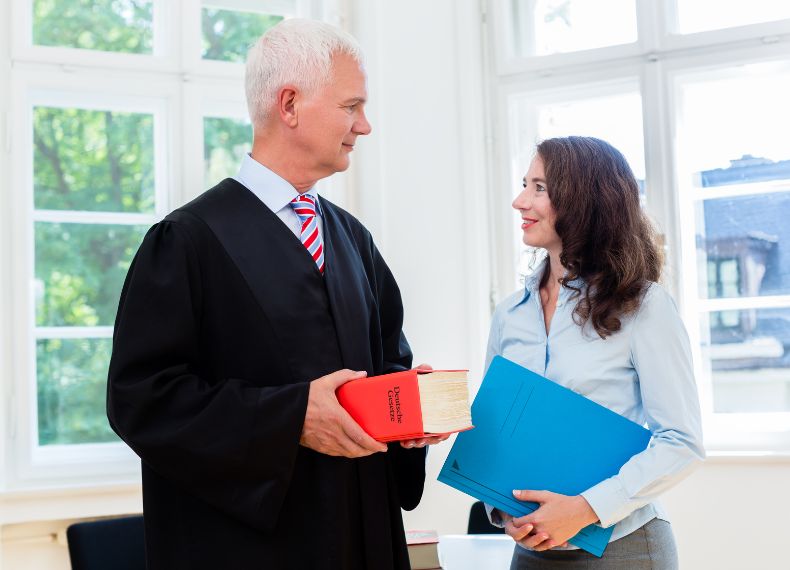
Estate Documents Become the Center of the Dispute
Estate documents usually become one of the most important parts of any will or trust disagreement. These documents provide information about how assets were planned to be managed and distributed.
Wills, trusts, amendments, and related paperwork may all be reviewed during a dispute. Details such as wording, signatures, dates, and changes to documents can become important when questions arise.
A small detail in an estate document may have a major impact on how people understand the person’s intentions. Because of this, reviewing the complete estate plan rather than focusing on only one section can provide a better picture of the situation.
An attorney for will and trust disputes may help review these documents, explain the legal issues involved, and assist with understanding the steps connected to an estate conflict.
A Will or Trust Dispute Usually Starts With Specific Concerns
Most will and trust disputes begin because someone has questions about an estate plan. These concerns can come from different situations, such as unclear instructions, disagreements about asset distribution, or doubts about how decisions were made.
A person may question whether a document truly reflects the wishes of the individual who created it. Others may have concerns about changes made to a will or trust shortly before someone passed away. Disputes can also happen if beneficiaries disagree with how an executor or trustee is handling responsibilities.
The reason behind the disagreement often shapes how the matter is reviewed. Every estate dispute has its own details, and the facts surrounding the situation help determine what issues need attention.
Evidence Plays an Important Role in Will and Trust Disputes
Estate disputes are not decided only by personal opinions or family disagreements. Evidence plays an important role in showing the facts connected to the matter.
Different types of records may become important during the review process, including:
- Previous versions of wills or trusts
- Financial records related to estate assets
- Emails, letters, or other communication
- Information about changes made to estate documents
- Relevant medical records connected to decision-making circumstances
Organized records can help create a clearer understanding of what happened and why certain decisions were made. Without proper documentation, important details may be difficult to confirm.
A complete collection of information allows the dispute to be looked at based on facts rather than assumptions.
Common Legal Issues Behind Estate Disputes
Several legal concerns can lead to conflicts involving wills and trusts. While each situation is different, some issues appear more often than others.
Questions About Document Validity
Some disputes involve questions about whether a will or trust was created correctly. Concerns may involve signatures, required procedures, or whether the document represents the person’s actual wishes.
Concerns About Undue Influence
Some estate disputes involve claims that another person improperly affected decisions related to the estate plan. These matters usually require careful review of the surrounding circumstances and available evidence.
Trustee or Executor Responsibilities
Trustees and executors have specific duties connected to managing estate matters. Disagreements may arise if beneficiaries believe those responsibilities are not being handled properly.
Interpretation of Estate Terms
Sometimes the language used in a will or trust creates confusion. Different people may understand the same wording in different ways, leading to disagreements that require further review.
The Role of Legal Representation in Complex Estate Matters
Will and trust disputes can involve detailed documents, legal requirements, and complicated questions about a person’s estate plan. Having a clear understanding of the process can help people approach these matters with better awareness.
Legal professionals can assist with reviewing documents, identifying important issues, explaining available options, and helping clients navigate formal procedures. Estate disputes often involve many moving parts, which makes careful review important.
The role of legal guidance is not only about handling conflict. It is also about helping people understand the facts, the documents involved, and the processes that may apply to their situation.
Resolving Will and Trust Disputes Through Different Processes
Not every estate dispute follows the same path. Some disagreements may be resolved through communication and negotiation, while others may require court involvement.
Mediation allows people involved in a dispute to work with a neutral person who helps guide discussions. This process can provide an opportunity to find common ground and reach an agreement outside the courtroom.
Other disputes may move into litigation. In this process, a court reviews evidence, legal arguments, and documents before making a decision. Litigation follows formal procedures and may be necessary for disputes involving serious disagreements or complex legal questions.
The right approach depends on the facts, the relationship between the parties, and the nature of the dispute.
Final Thoughts
Will and trust disputes involve more than family disagreements. They often require a careful review of estate documents, evidence, legal responsibilities, and the circumstances surrounding the conflict.
Understanding the legal side of these matters helps families see why some disputes can be resolved through discussion while others require formal court proceedings. An attorney for will and trust disputes can provide guidance through complex estate issues by helping review the facts and understand the legal process.
Looking beyond emotions and focusing on accurate information can help create a clearer understanding of how estate disputes are handled. Every will and trust matter is different, and the details often determine the path forward.